Four Ranks × Four Elements — Quick Matrix
Cross rank (vertical) and element (horizontal); each cell is one court. Read the table first for a gestalt, then step into the detail below.
Wands
Fire
Cups
Water
Swords
Air
Pentacles
Earth
Page
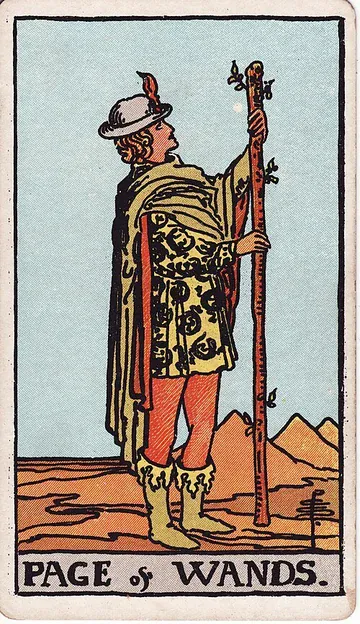
A spark sprouting, eager to try
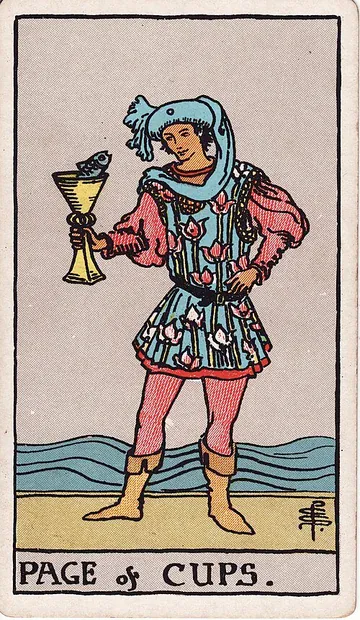
A feeling opening, a tender feeler
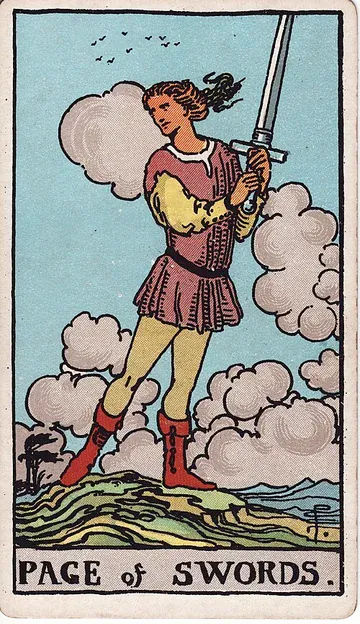
Curious inquiry, gathering clues
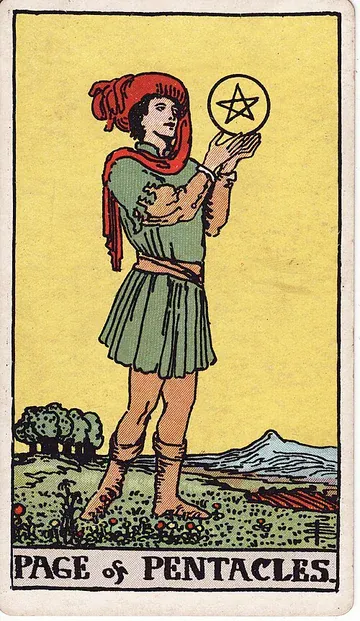
Steady study, head down in basics
Knight
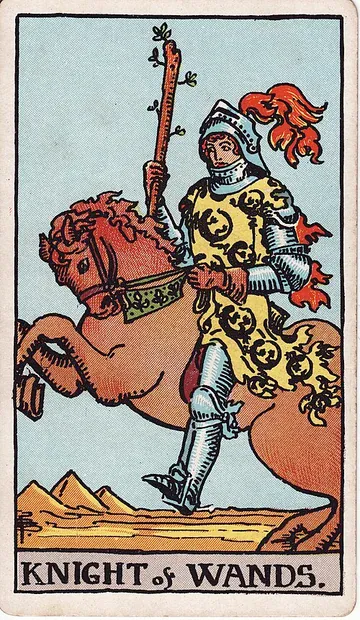
Charge outward, hot-blooded quest
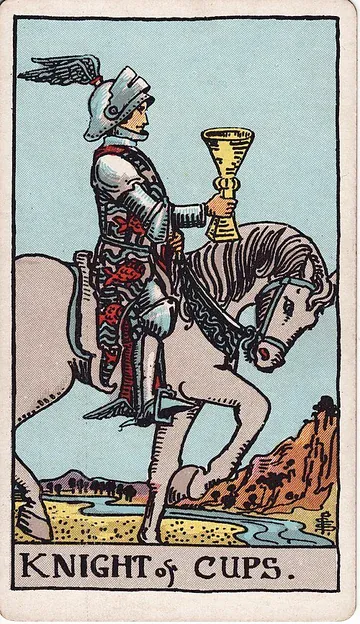
Romantic pursuit, moving by feeling
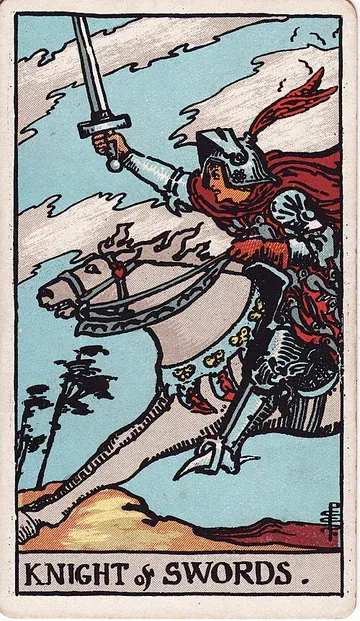
Rational rush, blunt and quick
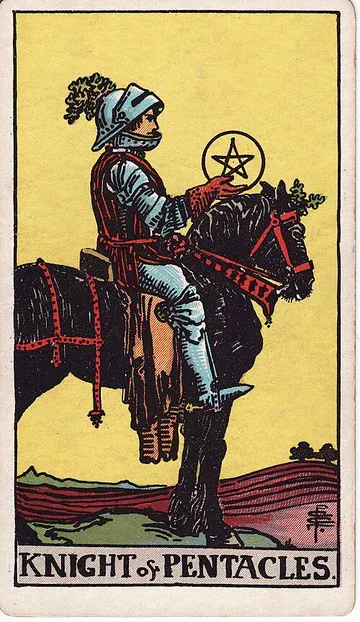
Steady advance, word kept to the letter
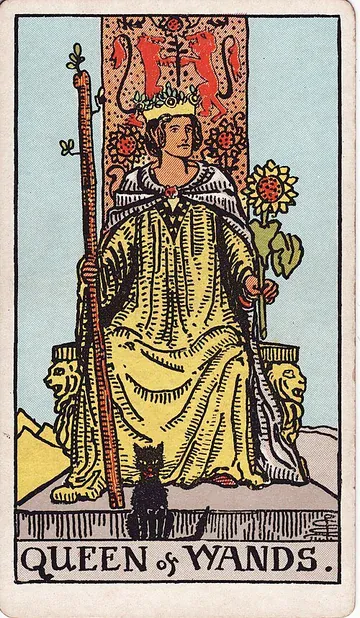
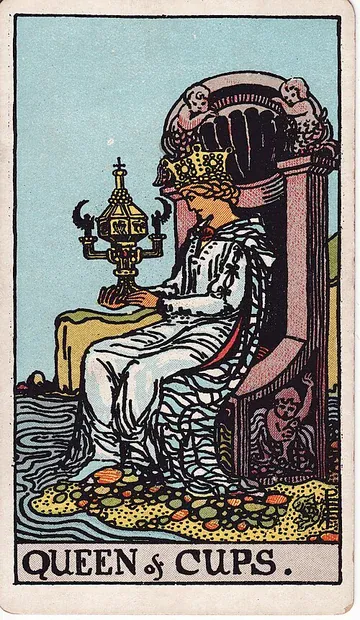
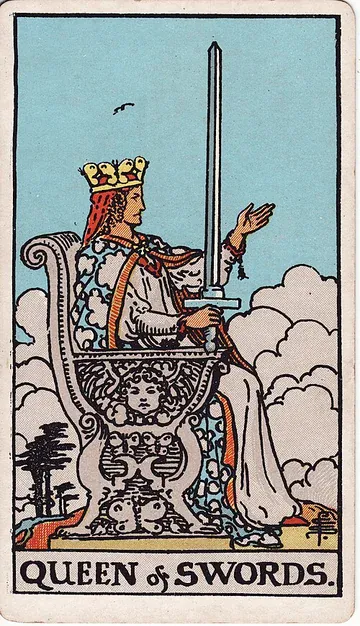
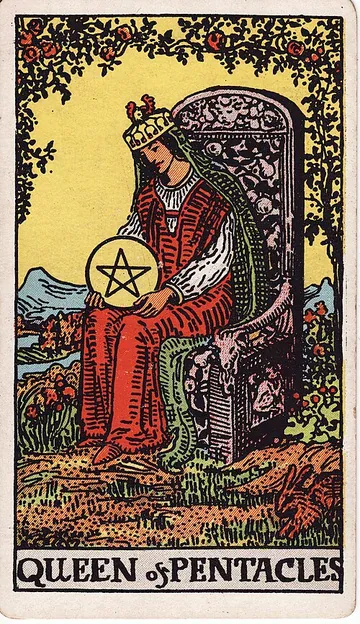
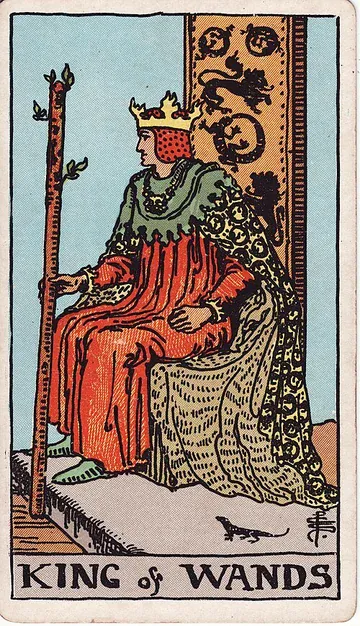
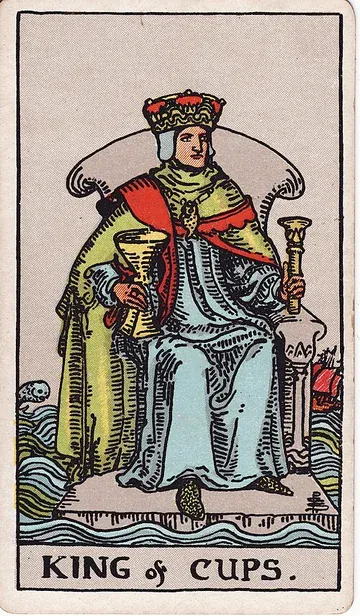
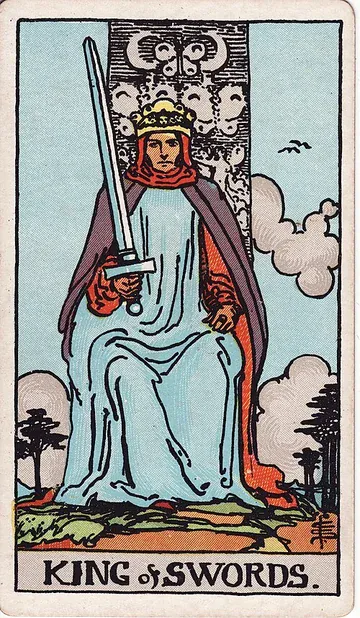
Weather Colors of the Four
Each suit carries its own climate of color — not decoration, but a quiet cue under a reading. When these hues dominate the imagery, that element is speaking.
Fire · Wands
Vermilion · new green · caramel — passion, action, the urgency of dry wood catching fire.
Water · Cups
Deep blue · teal · pale cream — feeling, flow, the softness of moonlit tide.
Air · Swords
Bright yellow · pale blue · silver — reason, word, the sharpness of a blade at dawn.
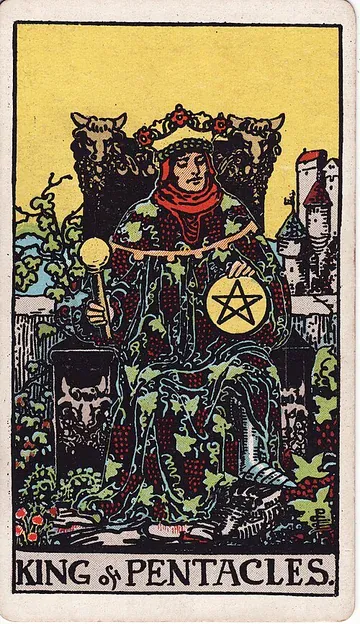
Earth · Pentacles
Deep green · umber · ochre — body, matter, the steadiness of stone and granary.
The Ladder
Not gender, not biological age — a growth arc of one element. The four ranks are four gears from receiving to governing.
Page
Learn
Receive · curiosity · invitation
Knight
Seek
Set out · drive · mission
Queen
Keep
Nurture · internal · authority
King
Govern
Allocate · command · public
The Queen's power is felt before it is named.
Rank
The Court Cards
Page · the Learner
Young in this matter, whatever their actual age. · Curiosity, beginner's mind, messages, invitations — a flame that lights before it commits.
Upright keywords
- curiosity
- invitation
- learning
- fresh news
- lightness
Reversed keywords
- restlessness
- immaturity
- idle chatter
- stalled start
Typical scenarios
- Love
- A liking just opening — not yet confessed.
- Work
- Handed a brand new topic; still in the trial-and-error phase.
- Decision
- Still gathering information — no rush to conclude.
Reading cue
When surrounded by concrete situation cards, it often names a younger or less experienced person. In an inner spread it marks your own apprentice stance toward the matter.
Knight · the Seeker
Adolescent / young-adult energy, restless. · Action, pursuit, mission, extremes — the element pushed to its signature speed.
Upright keywords
- setting out
- focus
- commitment
- drive
- mission
Reversed keywords
- recklessness
- half-measures
- winning for winning's sake
- impulsive exit
Typical scenarios
- Love
- A decisive confession, a bold invitation, a journey undertaken for another.
- Work
- Taking on a long-haul task; execution has begun.
- Decision
- Picking the riskier but cleanly outlined path.
Reading cue
Often names a person in motion, pursuing something. When it points at you, the hesitation phase is over — time to ride.
Queen · the Keeper
Matured in this element, holding inner authority. · Nurture, internalization, containment — the queen doesn't chase the element, she is the element.
Upright keywords
- nurture
- empathy
- inner sovereignty
- containment
- maturity
Reversed keywords
- over-absorption
- emotional leverage
- isolation
- lost center
Typical scenarios
- Love
- You or the other are the load-bearing one — present without needing to announce it.
- Work
- You're the one colleagues circle back to for counsel — there is still depth below.
- Decision
- The answer is already in the body; quiet listening is enough.
Reading cue
If nearby cards carry a seeking / asking motif, the Queen is the one being sought. In the advice slot she calls you back to your own center.
King · the Sovereign
Fully matured, holding outward authority. · Command, allocation, public responsibility — the element applied to the world.
Upright keywords
- command
- vision
- responsibility
- strategy
- achievement
Reversed keywords
- autocracy
- rigidity
- power anxiety
- severed from one's own people
Typical scenarios
- Love
- A serious, weight-bearing relationship — the other holds you up reliably.
- Work
- You've arrived at the position that can rule on, allocate, and set policy.
- Decision
- Before you decide, consider the larger circle you're already holding.
Reading cue
In a situation slot, a person with public authority. In an advice slot, the call to speak from your most grown-up face.
Person, self, or stance?
The same court card can mean him, you, or the posture this moment needs. Three filters will land most readings.
Step 1 · Read the neighbors
Adjacent to concrete situation cards (like Five of Pentacles, Three of Cups), the court likely names a person. Majors ringing it usually point to a stance or archetype instead.
Step 2 · Read the position
In objective slots (present, obstacle) it tends to be an outside figure; in subjective slots (advice, heart) it is usually you — or the face of you this moment calls for.
Step 3 · Count them
Two or more courts in a spread often describe a relationship or a multi-party situation, not a single person. Read them as voices first, not as isolated portraits.
The Sixteen Courts
Hover for keywords, click to open upright / reversed readings and related courts.
Element
Rank
Draw one now
Pick one of the sixteen courts at random, as today's single guest. Nothing is saved, no quota is spent.
A single shuffle · for provocation only
Questions
Does a court card always name a person?
No. The same court may be someone, a facet of you, or the posture the moment asks for — decided by neighbors, position, and count taken together. Don't default to a specific name.
How should I read the courts' gender?
Treat Page / Knight / Queen / King as combinations of element and maturity, not gender descriptors. A Page may be an adult woman; a Queen may be a deeply feeling man. Gender returns to the foreground only when the question is specifically relational.
What if several courts appear in the same spread?
It often describes a relationship or multi-party dynamic — each court voicing a different stakeholder. Sometimes it is your own several faces speaking at once. Hear them as a chorus before casting them as discrete people.
How do I read a reversed court?
Usually one of overflow, blockage, or internalization — not an opposite. A reversed Knight of Wands is rarely inaction; more often it is action overshot and out of control, or fire pressed silently inward.