Origin
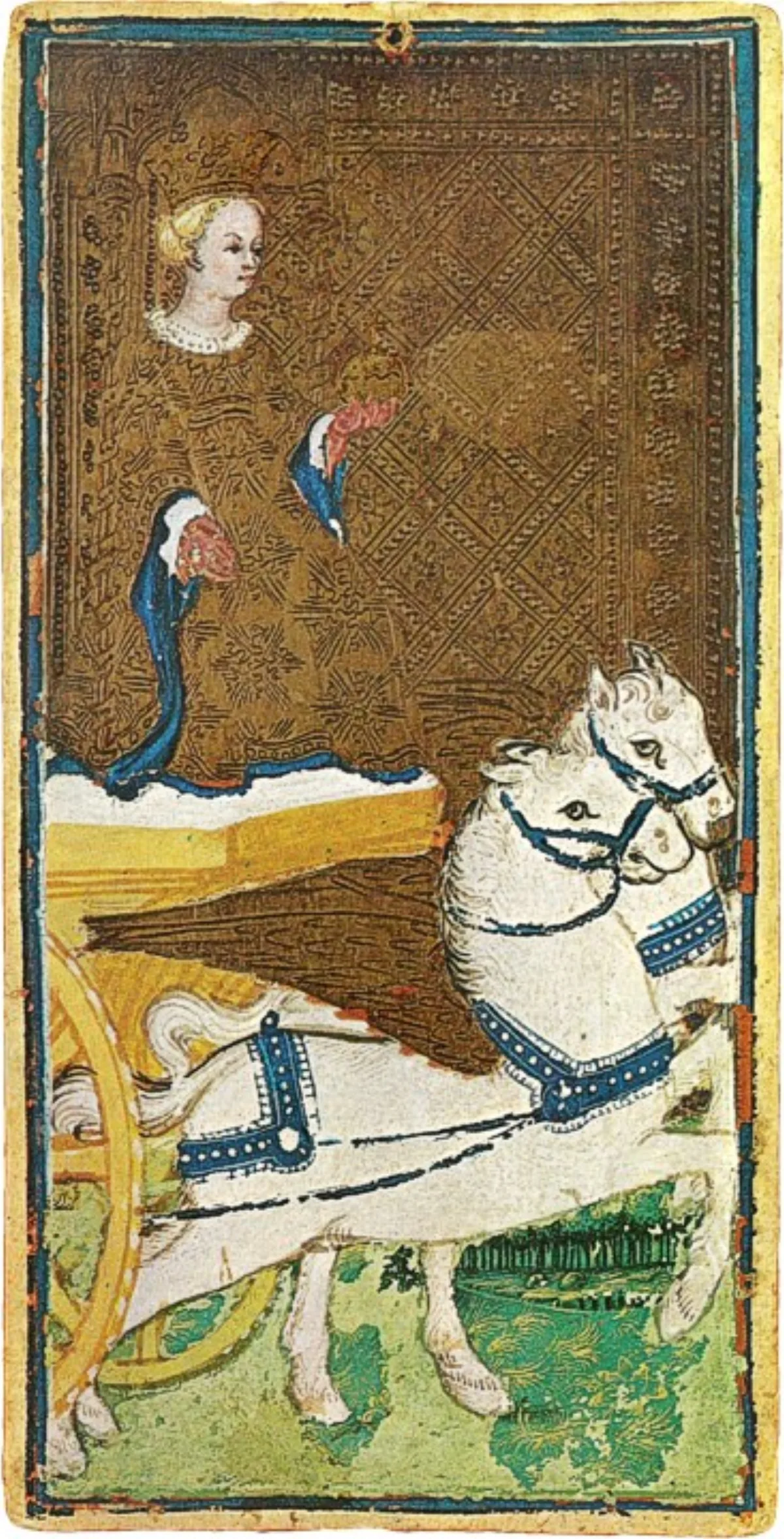
Tarot is often mistaken for ancient Egyptian mysticism. The earliest documented form is a 15th-century card game from the courts of northern Italy, called tarocchi. Like bridge or whist, it was an aristocratic pastime — its imagery borrowed from the religious allegory, knightly symbolism, and folk theatre of its age. The Pope, the Lovers, the Wheel, Death — these were the most ordinary spiritual furniture for a 15th-century European.
What kept it alive across six centuries isn't proof that it "works", but the fact that its structure holds the oldest stories humans tell about themselves: setting out, ordeal, loss, transformation, return.
A short history
Tarot was not invented on any one day. It is a river, redrawn by many hands. Here are eight worth remembering.
 1440sItaly · Milan
An aristocratic card game
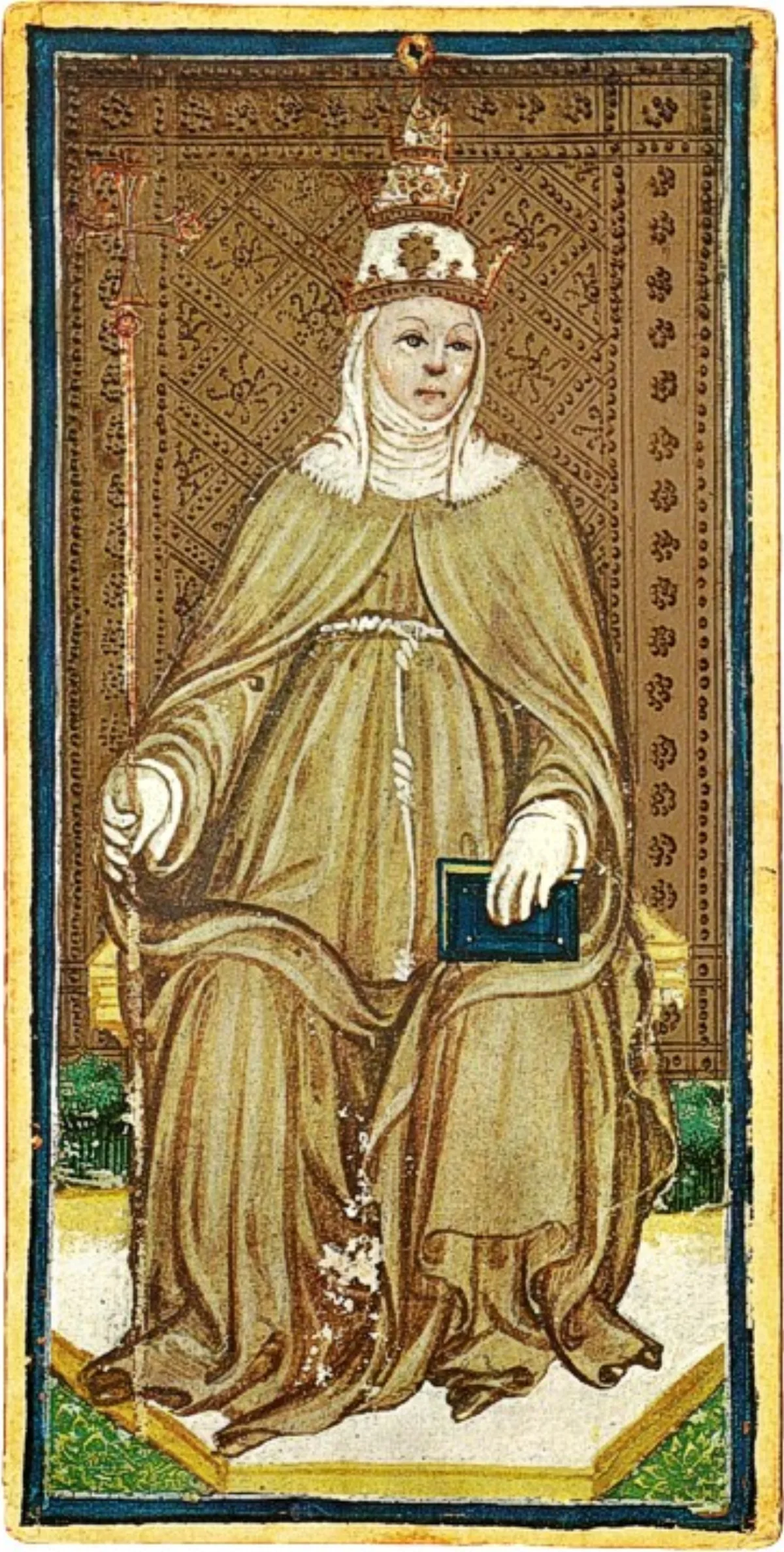
Court painters in Milan, Ferrara, and Bologna were commissioned to paint 78-card gilt decks for ducal families. Twenty-two trionfi ("trumps") depicted religious and allegorical themes — the seed of what would later be called the Major Arcana. No divination yet, only play.
 1760France · Marseille
The Marseille template
The edition published by cardmaker Nicolas Conver set the standard for the next two centuries of Tarot de Marseille: raw woodblock lines, a four-colour palette, abstract pip cards. The transitional form from game to oracle.
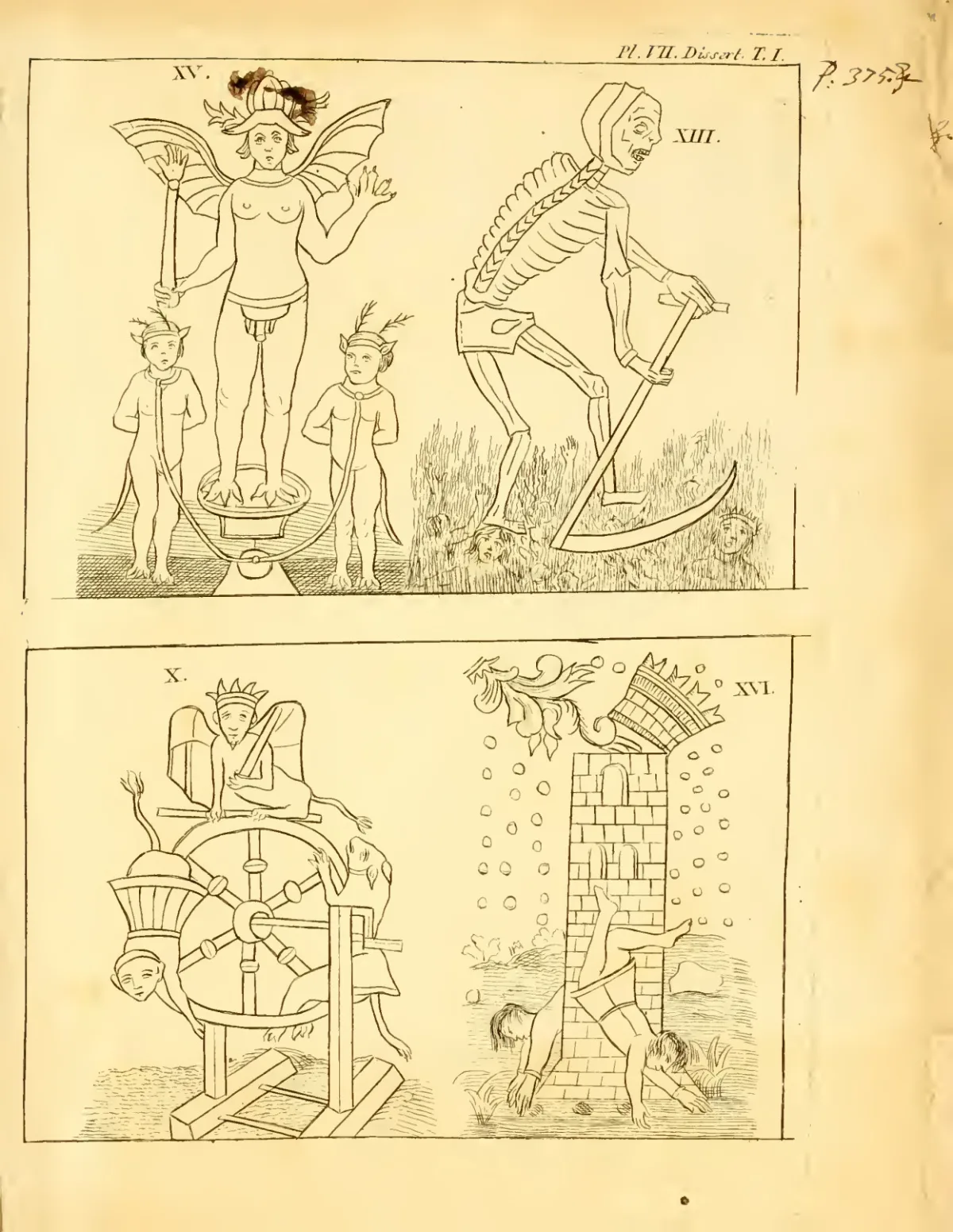 1781France · Paris
The Egyptian myth is born
In Le Monde primitif, Antoine Court de Gébelin declared tarot the surviving Book of Thoth, a wisdom text smuggled out of the Library of Alexandria. The claim lacked all evidence but carried irresistible imagination — and pinned tarot to the occult shelf for good.
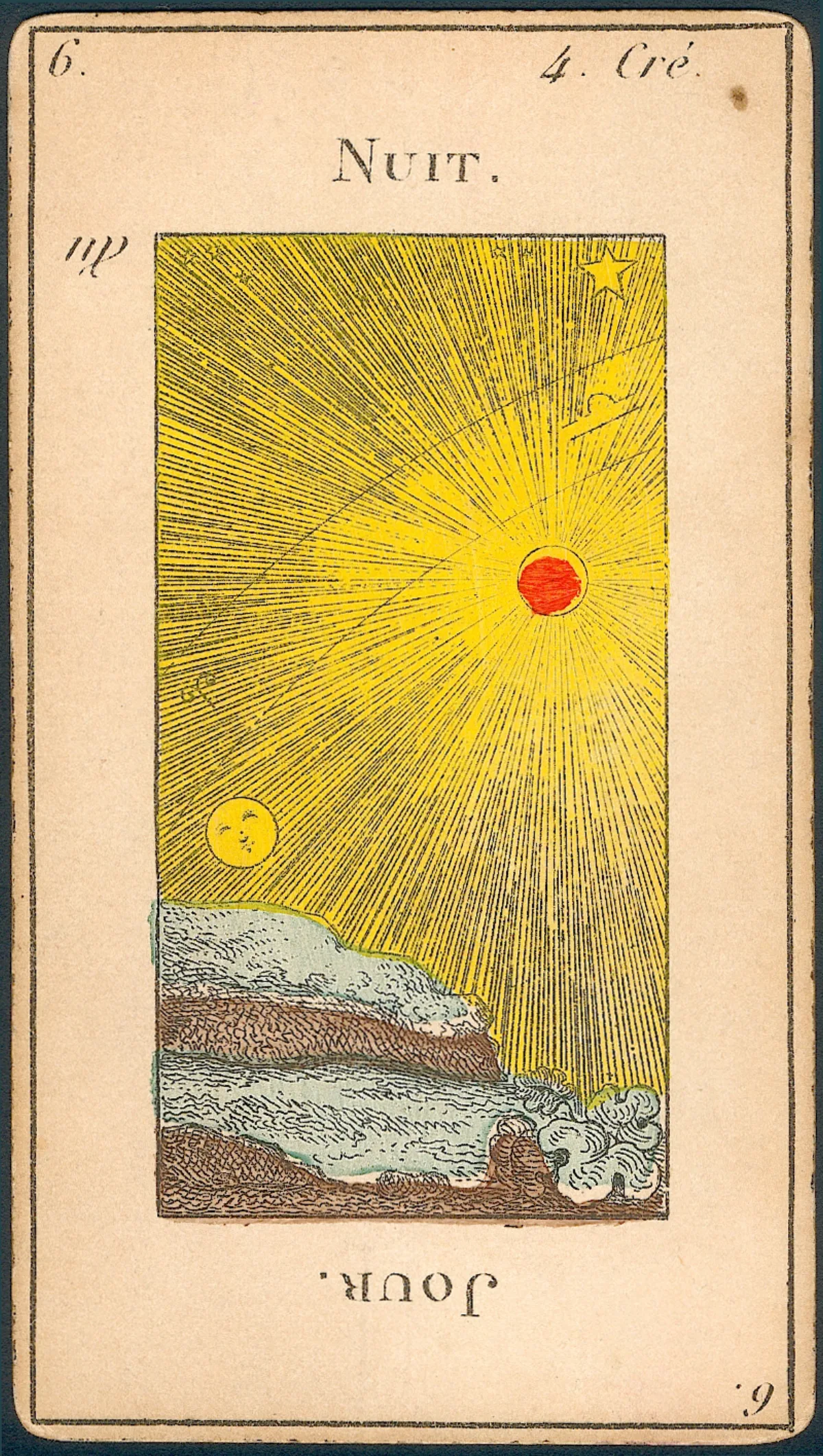 1791France · Paris
The first deck made for divination
Wigmaker and occultist Etteilla (Jean-Baptiste Alliette) published the first deck designed for divination rather than play, with systematic upright and reversed meanings. The professional cartomancer is born.
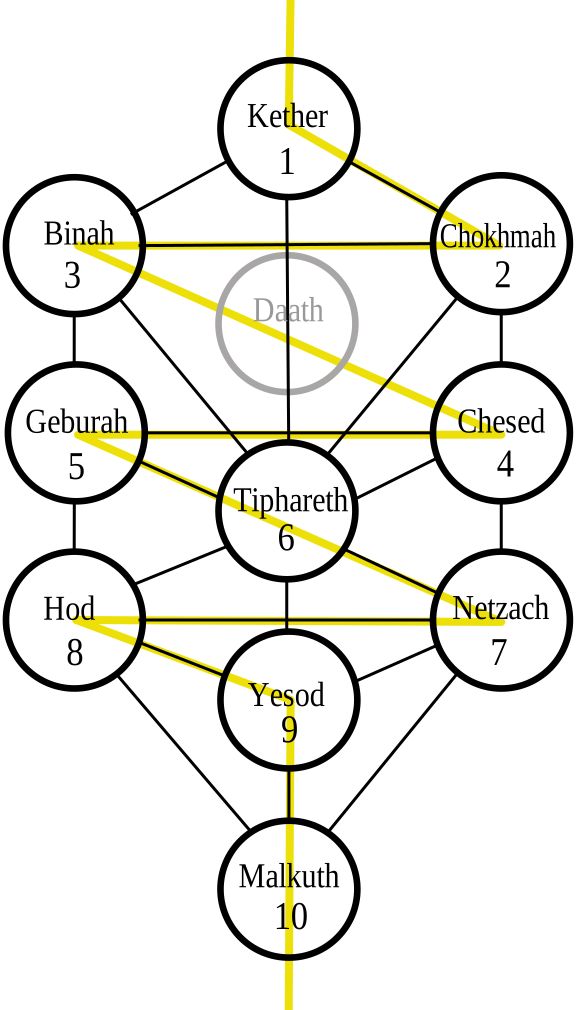 1888England · London
The Golden Dawn
The Hermetic Order of the Golden Dawn formalised correspondences between tarot, the Kabbalistic Tree of Life, astrology, and the four elements — giving tarot, for the first time, a teachable grammar.
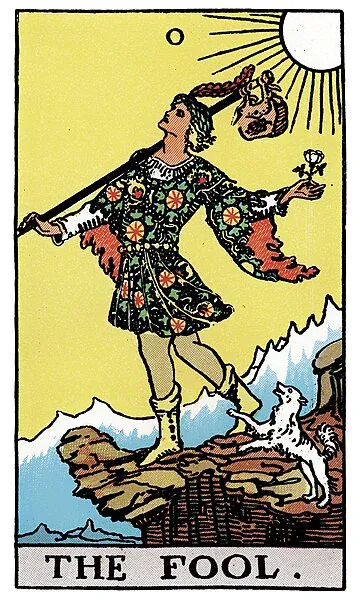 1909England · London
The Rider-Waite-Smith deck
Golden Dawn member A. E. Waite commissioned the artist Pamela Colman Smith to paint a new deck. Its innovation: for the first time, all 56 minor arcana carried full scenes — not "four cups" but "a figure with their back to three standing cups, looking down at two spilled." Image became language.
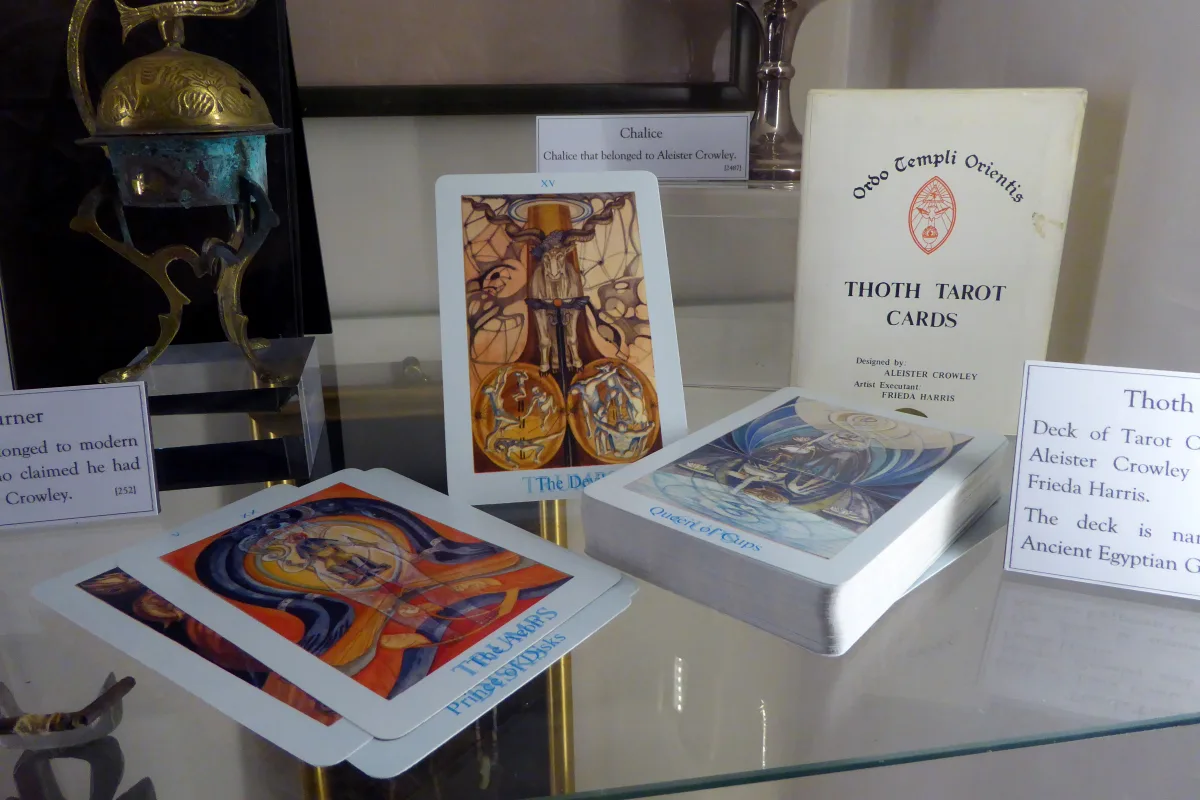 1944England · London
The Thoth deck
Aleister Crowley and painter Lady Frieda Harris spent five years completing The Book of Thoth and the Thoth deck. Thoth inscribed the Golden Dawn's decan keywords directly on each pip — the densest knowledge-layer in modern tarot.
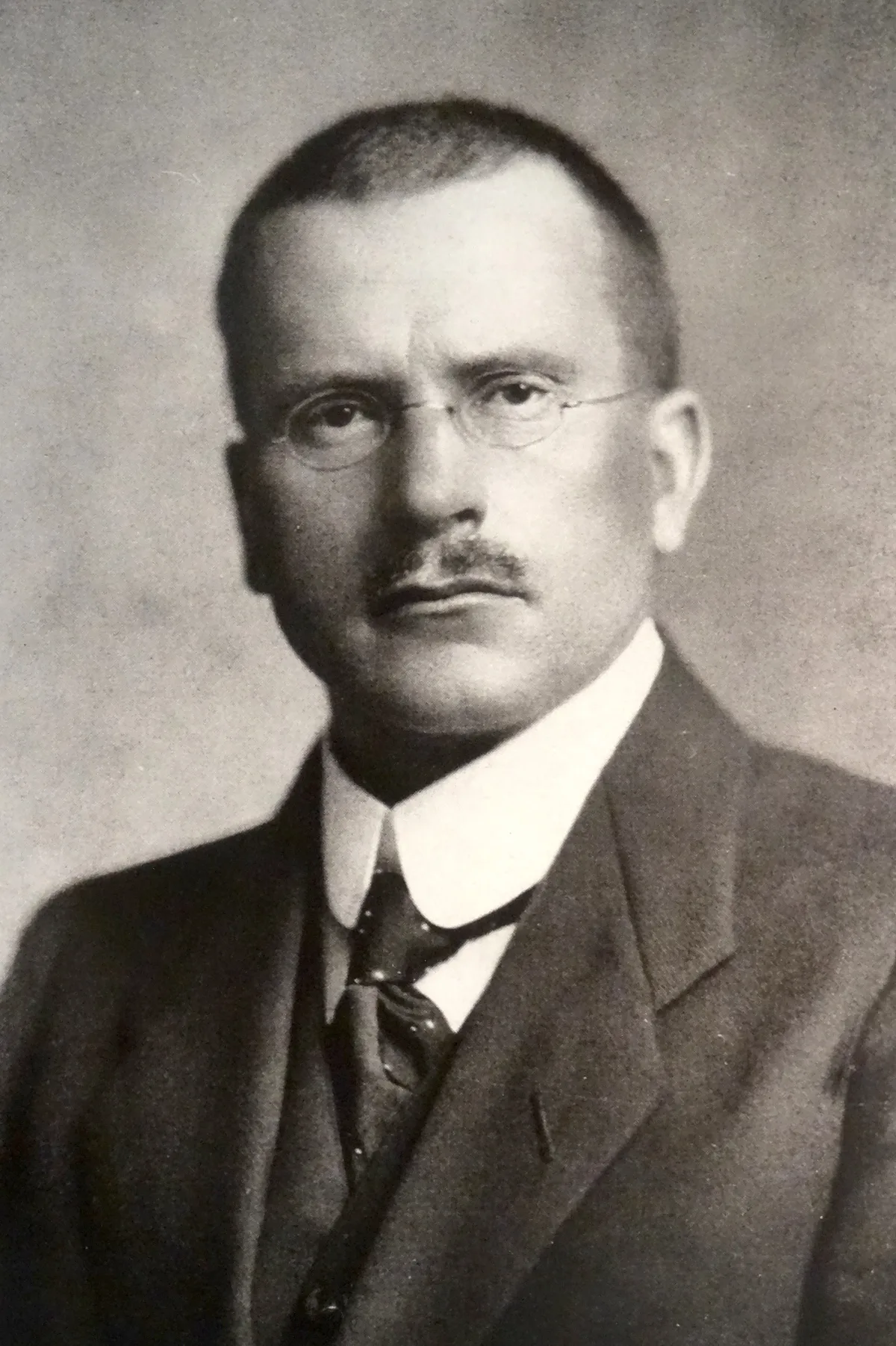 1960s—todaySwitzerland / global
Jung and the psychological turn
Carl Jung never studied tarot, but his theories of archetype and the collective unconscious gave it a new reading: the images are not projections of external fate but visualisations of inner figures. Most of us using tarot today are, in fact, using Jung.
Three living traditions
Of the hundreds of decks in print today, nearly all trace to one of three trunks. They are three dialects of the same language — fluency in one carries over.
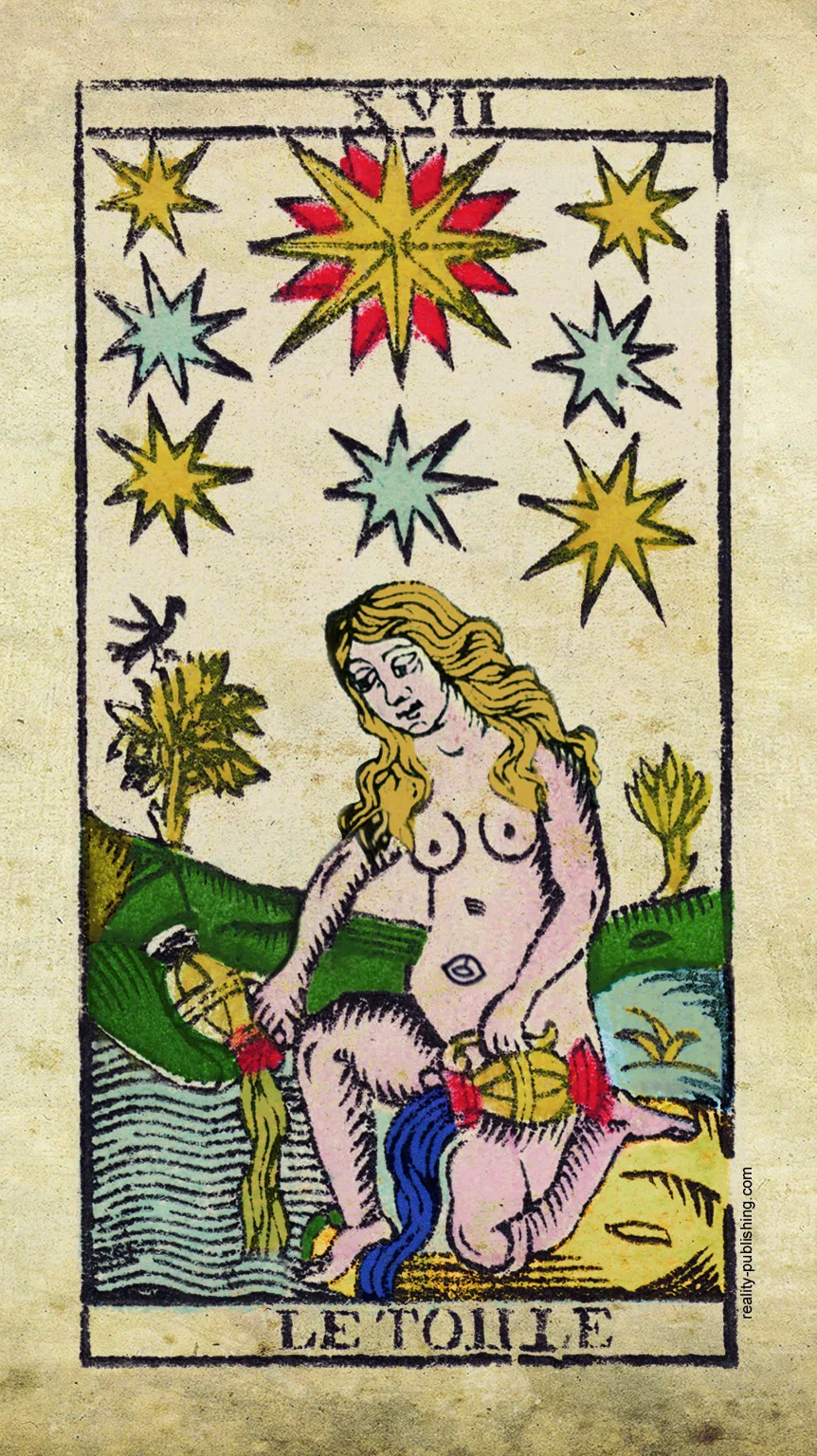
Marseille
Tarot de Marseille · 15–18th c.
- Temperament
- Archaic, geometric, restrained.
- Form
- Minor arcana show only abstract pips and elemental devices (four coins, five wands) — no scenery.
- How to read
- "Number × element." Five of Cups = imbalance in the emotional domain. The card gives skeleton; the reader supplies the rest.
- Best for
- Those who like minimalism, structured deduction, and don't need pictorial narrative.
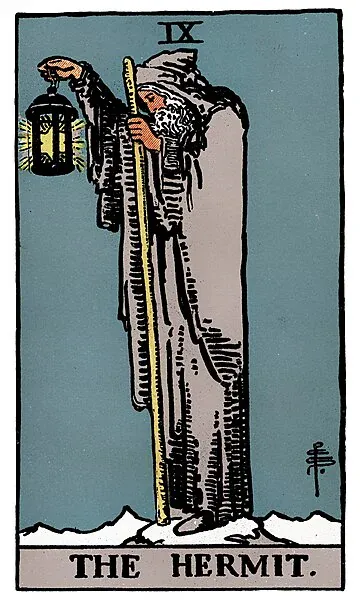
Rider-Waite-Smith
· Used here ·RWS · 1909
- Temperament
- Narrative, legible, image-as-language.
- Form
- All 78 cards carry a scene, a figure, a micro-expression. The minor arcana are fully dramatised.
- How to read
- "Scene + symbol." The action, direction, palette, and background already speak a half-sentence — the reader finishes it.
- Best for
- Beginners, those who read intuitively or use tarot for writing and self-dialogue. All readings on this site are built on RWS.
Thoth
Thoth · 1944
- Temperament
- Philosophical, dense, modernist.
- Form
- Every card fuses astrological decan, Qabalistic path, and Hebrew letter into a geometric projection.
- How to read
- "Keyword + correspondence." A single card speaks on three registers — astrology, number, path — at once.
- Best for
- Those with tarot grounding already, drawn to astrology / Qabalah and symbolic systems.
What tarot is — and isn't
This is the most worth-repeating section. Expect too much or too little of it, and the tool fails.
- A structured projection tool. The images are old and dense enough to let the unnamed material in your mind surface.
- A journal with 78 archetypal prompts. Each card is a slice, a question template.
- A ritual pause. Shuffling, cutting, laying out — these actions alone pull attention back from event to presence.
- A mirror with deeper glass. It shows not the future but how you are currently seeing your situation.
- Not a prediction engine — it cannot tell you when someone will call, whether a test is positive, or whether an investment will rise.
- Not X-ray into another person — readings about a specific third party are projections of your relationship to them, not of them.
- Not a substitute for professional advice — consult qualified humans for medical, legal, or psychiatric matters.
- Not a verdict — even the Tower and Death are never the end of fate, only a dynamic in motion.
A psychological view
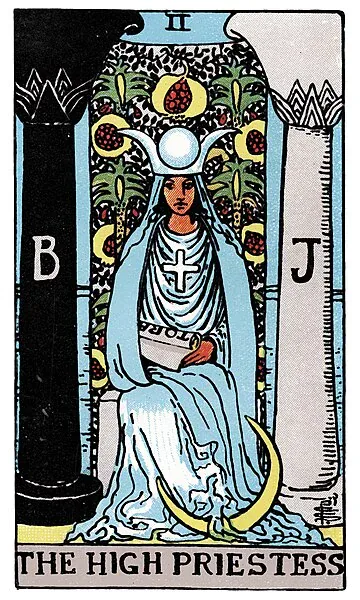
If one had to explain in modern language why tarot works, the closest frame is the projective-test family — kin to Rorschach inkblots and the Thematic Apperception Test.
When you face a card whose imagery is semantically rich but meaning-open, the brain reaches for whatever emotion, concern, or unresolved question is most active right now and uses it to "complete" the card. You think you're reading the card. You are actually using the card as a plate on which to develop yourself.
- Why the same card reads differently on different days — because you are different.
- Why "ask seriously" and "draw casually" produce wildly different readings — the former has a projected question, the latter doesn't.
- Why the most accurate part of a reading for someone else is often your own situation — you are using their question to look at yourself.
To sit down honestly and look at your own situation for thirty minutes — that alone is already rare enough to be almost a luxury.
Understood this way, tarot moves from "the paranormal" back to "a cognitive tool." It needs no transcendent explanation to hold; it loses no value for lacking one.
How to live with it
A handful of notes distilled from long-time practitioners, for those starting out or already walking.
Ask first, shuffle second.
Unclear questions get unclear answers. Swap "what should I do" for "which part of this am I currently avoiding," and the cards change instantly.
Don't re-ask the same question.
When the situation hasn't moved, pulling again is forcing yourself toward a wanted answer, not an honest one. Wait out one emotional cycle before returning to the same matter.
Write it down.
Spoken readings are rewritten by memory within 24 hours. Note the cards, positions, and your first intuitive reaction — a month later you'll see the real arc.
Don't sacralise the cards, don't toy with them.
It's a tool. Treat it the way you treat your pen, your notebook — with care, without fear.
When a reading shakes you, stop.
The unease isn't a "warning" — it's the cards touching something you already knew and chose not to look at. What you need then isn't another draw, but company — a friend, or a professional.
Lunarcana's stance
We treat tarot as a digital grimoire — a journaling tool with 78 archetypal prompts.
Every reading here is generative text, not prophecy. It is a mirror handed to you, not a script of your future.
Use it for
- Reflection
- Ritual
- Inner dialogue
Do not use it for
- Replacing a medical diagnosis
- Replacing legal advice
- Replacing psychiatric evaluation
- Replacing real-relationship conversation
May these seventy-eight cards, on the nights you are willing to pause, walk a short way with you.
Image credits
All images on this page come from Wikimedia Commons, released into the public domain or marked by the community as free to use.
| Use | Source |
|---|---|
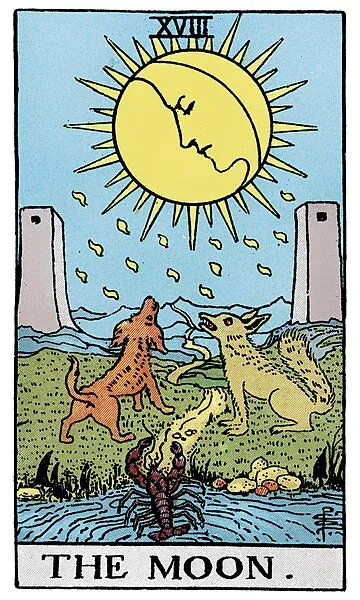
| Hero · The Moon | Wikimedia |
| Origin · Visconti Chariot | Wikimedia |
| 1440s · Popess | Wikimedia |
| 1760 · Marseille | Wikimedia |
| 1781 · Gébelin | Wikimedia |
| 1791 · Etteilla | Wikimedia |
| 1888 · Tree of Life | Wikimedia |
| 1909 · Fool | Wikimedia |
| 1944 · Thoth display | Wikimedia |
| 1960s · Jung | Wikimedia |
| School · Marseille Star | Wikimedia |
| School · RWS Hermit | Wikimedia |
| Psychology · High Priestess | Wikimedia |
Last updated: April 2026 · Lunarcana